
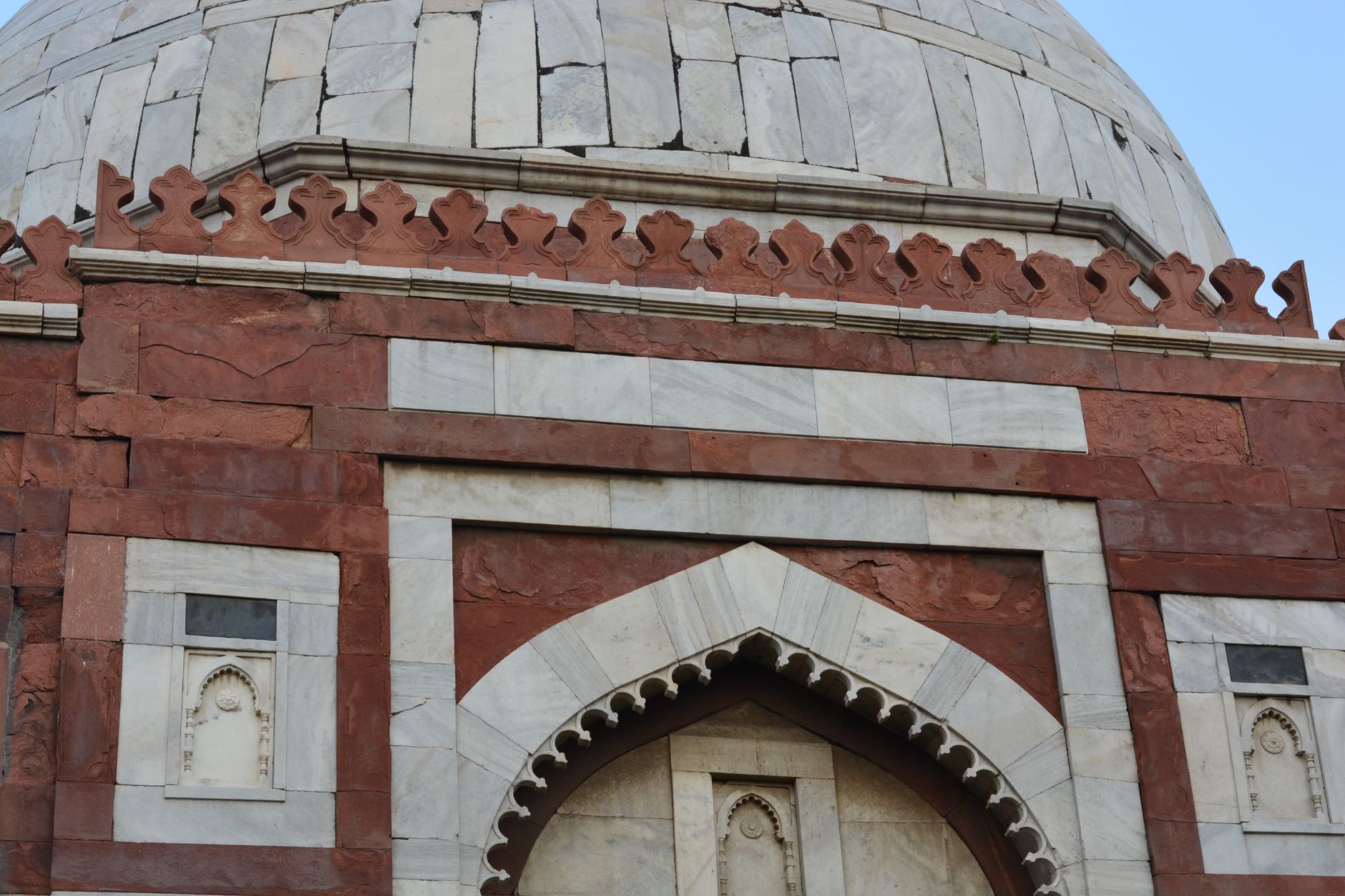
monument conservation projects are set to receive significant support from the Delhi government, which will fund 75% of related initiatives. This move aims to enhance the preservation of the city’s rich heritage.
Overview of Delhi’s Heritage Initiative
Delhi’s government has launched a significant initiative aimed at preserving its rich cultural heritage through various monument conservation projects. This initiative is designed to ensure that the historical significance of the city’s monuments is not lost to time.
The program will allocate substantial funding, with the government covering 75% of the costs associated with these conservation efforts. This financial support is expected to encourage local communities and organizations to actively participate in preserving their heritage.
Through this initiative, several key strategies have been identified as essential for the success of monument conservation projects:
- Community Engagement: Involving local residents and stakeholders fosters a sense of ownership and responsibility towards heritage sites.
- Expert Collaboration: Working with conservation experts ensures that restoration techniques are both authentic and sustainable.
- Awareness Campaigns: Raising public awareness about the importance of heritage conservation motivates broader participation and support.
- Research and Documentation: Thorough research helps in understanding the historical context and informs effective conservation strategies.
Overall, this initiative marks a vital step towards safeguarding Delhi’s heritage for future generations.
Funding Details for Conservation
Funding plays a crucial role in the success of monument conservation projects, especially in a city like Delhi, where heritage sites are abundant yet often in need of restoration. The recent announcement by the government to cover 75% of the costs associated with these projects is a significant boost for conservation efforts.
This funding initiative aims to encourage local communities, non-profits, and private organizations to participate actively in preserving Delhi’s rich history. By alleviating the financial burden, the government hopes to see a rise in the number of projects undertaken, leading to improved maintenance and restoration of iconic sites.
Key aspects of the funding process include:
- Eligibility Criteria: Organizations must meet specific guidelines to qualify for funding.
- Application Process: Detailed proposals must be submitted for evaluation.
- Accountability Measures: Grantees will be required to provide regular updates on project progress.
- Impact Assessment: Successful projects will be assessed for their long-term effects on heritage conservation.
Ultimately, the government’s commitment to funding monument conservation projects signals a promising future for Delhi’s heritage, fostering a collaborative approach to protect and celebrate its historical significance.
Impact on Local Communities
The impact of monument conservation projects on local communities cannot be overstated. These initiatives not only preserve historical sites but also foster a sense of identity and pride among residents.
One of the primary benefits of such projects is the stimulation of local economies. As monuments are restored and made accessible to the public, they attract tourists, which in turn boosts businesses such as:
- Restaurants
- Hotels
- Souvenir shops
Additionally, with increased foot traffic, local artisans often find new opportunities to showcase their crafts, leading to a revival of traditional skills.
Moreover, monument conservation projects encourage community involvement. Residents often participate in:
- Volunteering for restoration efforts
- Attending workshops on heritage preservation
- Engaging in cultural events that celebrate local history
This collective effort not only strengthens community bonds but also educates younger generations about their cultural heritage. Overall, the long-term benefits of monument conservation extend far beyond the physical structures, enhancing the social fabric of communities while ensuring that history is honored and preserved for future generations.
Success Stories from Previous Projects
As cities strive to preserve their rich histories, several monument conservation projects have emerged as shining examples of success. One notable case is the restoration of the Hauz Khas Complex in Delhi, where meticulous efforts transformed the site into a vibrant cultural hub. This project not only revived the architectural splendor of the monuments but also enhanced public engagement, drawing both locals and tourists alike.
Another remarkable initiative was the conservation of the Red Fort, which faced threats from pollution and neglect. Through a combination of innovative cleaning techniques and structural reinforcements, the fort was restored to its former glory, ensuring its longevity for future generations. The project also included community workshops, educating citizens about the importance of heritage preservation.
Additionally, the conservation of the Qutub Minar involved a thorough assessment of its masonry and surrounding environment. This project exemplified the effective collaboration between government agencies and local historians, resulting in a sustainable approach to maintaining the site.
These success stories illustrate the effectiveness of monument conservation projects in fostering historical awareness and community pride. By investing in such initiatives, cities can safeguard their cultural legacies while simultaneously enriching local economies.
Challenges in Monument Conservation
Monument conservation projects face a myriad of challenges that can hinder their successful implementation. One of the primary obstacles is the limited availability of skilled professionals who specialize in restoration techniques and materials. This shortage can lead to subpar work that fails to preserve the integrity of historical sites.
Additionally, environmental factors pose significant threats to monuments. Pollution, weathering, and natural disasters can accelerate deterioration, making timely intervention essential. Conservation efforts often require a combination of modern technology and traditional methods, which can be difficult to balance.
Another challenge is securing adequate funding. While government initiatives may cover a significant portion of costs, as seen in Delhi’s Heritage Initiative, many projects still rely on donations and grants that may not be consistently available. This unpredictability can stall progress and lead to incomplete restorations.
Community involvement is also crucial but can be a double-edged sword. While local participation can enhance awareness and support, conflicting interests among stakeholders may complicate decision-making processes.
Lastly, regulatory hurdles can further complicate conservation efforts, with bureaucratic red tape often slowing down necessary approvals. Addressing these challenges is essential for the long-term success of monument conservation projects.
Future of Heritage Preservation in Delhi
The future of heritage preservation in Delhi looks promising as the government ramps up its commitment to monument conservation projects. With an increased focus on safeguarding the city’s rich cultural heritage, officials aim to enhance public awareness and participation in these initiatives. This collaborative approach not only preserves historical sites but also fosters a sense of community ownership.
One key element in ensuring the success of these projects is the integration of modern technology. Innovative techniques such as 3D scanning and virtual reality are being utilized to document and restore monuments, offering a more accurate representation of their historical significance. Additionally, educational programs are being implemented to engage local residents, highlighting the importance of preserving their cultural heritage.
Moreover, partnerships with NGOs and international organizations are becoming increasingly vital. These collaborations can provide valuable expertise and resources, facilitating the successful execution of monument conservation projects. As Delhi continues to embrace its historical identity, it is essential for stakeholders to remain committed to sustainable practices that will protect these treasured sites for future generations.
- Increased public engagement
- Use of modern technology
- Collaborations with NGOs
Photo by AMOL NAKVE on Pexels