
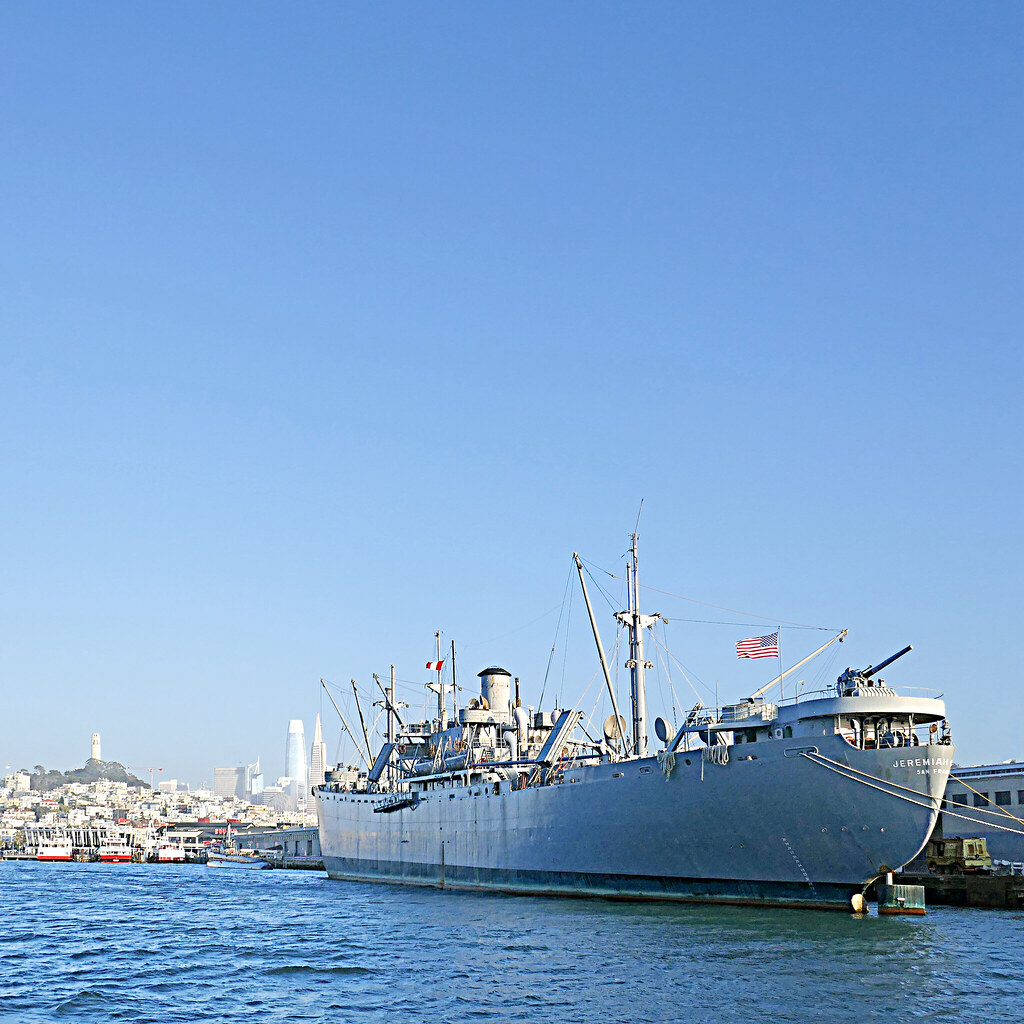
India Fleet Support Ship is a groundbreaking development in naval technology, with Rajnath Singh launching the country’s first Fleet Support Ship (FSS-1). This initiative aims to bolster India’s maritime strength.
Introduction to India’s Fleet Support Ship
India is set to enhance its naval capabilities with the introduction of the India Fleet Support Ship, a significant asset for the Indian Navy. The launch of this first Fleet Support Ship (FSS-1) is a pivotal moment, reflecting India’s commitment to bolstering maritime security and operational readiness.
The Fleet Support Ship is designed to provide logistical support to naval operations, ensuring that ships can remain on mission for extended periods. This vessel will enable the navy to conduct various operations without the need for constant resupply from land bases.
Key features of the India Fleet Support Ship include:
- Advanced replenishment capabilities for fuel, ammunition, and supplies.
- Enhanced medical facilities for crew health and safety.
- Modern navigation and communication systems for efficient operations.
As the first of its kind in India, this ship represents a proactive step towards self-reliance in defense manufacturing. The government views the India Fleet Support Ship as a crucial component in maintaining maritime dominance and ensuring the safety of national interests in the region.
Significance of FSS-1 for the Indian Navy
The launch of India’s first Fleet Support Ship (FSS-1) marks a significant milestone for the Indian Navy, enhancing its operational capabilities and logistical support. The significance of FSS-1 can be understood through several key aspects:
- Enhanced Operational Readiness: FSS-1 is designed to ensure that naval vessels are well-supplied and maintained during extended missions, thus improving their readiness and effectiveness.
- Logistical Support: This ship can carry a substantial amount of fuel, ammunition, and provisions, enabling the Navy to sustain longer deployments without the need for frequent resupply.
- Strategic Advantage: With the growing maritime challenges in the Indo-Pacific region, FSS-1 provides the Indian Navy with a strategic edge, allowing for swift response and support in various scenarios.
- Indigenous Development: The construction of FSS-1 showcases India’s commitment to self-reliance in defense manufacturing, reflecting advancements in technology and shipbuilding capabilities.
Overall, the introduction of the Fleet Support Ship is a proactive step towards strengthening the Indian Navy’s infrastructure and operational prowess in an increasingly complex maritime environment.
Features of the Fleet Support Ship
The India Fleet Support Ship (FSS-1) boasts a range of features designed to enhance the operational capabilities of the Indian Navy. This state-of-the-art vessel is equipped with advanced technologies and amenities that enable it to perform a variety of support roles during naval missions.
- Large Capacity: The FSS-1 can carry a significant amount of supplies, including fuel, ammunition, and repair materials, ensuring that naval operations can be sustained over extended periods.
- Versatile Operations: Designed to support various types of missions, the ship can assist in humanitarian assistance, disaster relief, and logistical support for aircraft and submarines.
- Advanced Communication Systems: The ship is equipped with cutting-edge communication technology, facilitating real-time coordination with other naval assets.
- Helipad and Hangar: A dedicated helipad and hangar allow for the launch and recovery of helicopters, providing critical air support and rapid response capabilities.
- Enhanced Defense Systems: The FSS-1 is fitted with modern defense systems, enhancing its ability to protect itself and other vessels in the fleet.
These features solidify the India Fleet Support Ship as a vital asset in the Indian Navy’s operational framework.
Rajnath Singh’s Vision for Naval Strength
In a recent address, Defense Minister Rajnath Singh articulated a clear vision for enhancing India’s naval capabilities, particularly with the introduction of the India Fleet Support Ship. He emphasized the critical role that the FSS-1 will play in bolstering the operational readiness of the Indian Navy.
Rajnath Singh highlighted several key aspects of this initiative:
- Strategic Autonomy: The Fleet Support Ship is designed to ensure that India can independently support its maritime operations without relying on foreign assets.
- Enhanced Logistics: The FSS-1 will provide comprehensive logistical support, allowing naval vessels to remain in operation for extended periods, thereby increasing their effectiveness in various missions.
- Indigenous Development: Singh underscored the importance of self-reliance in defense production, noting that the development of the Fleet Support Ship is a significant step toward achieving this goal.
With the launch of the India Fleet Support Ship, Rajnath Singh believes that India is poised to strengthen its presence in the Indian Ocean region, ensuring peace and stability in the maritime domain.
Impact on Maritime Security
The introduction of the India Fleet Support Ship (FSS-1) marks a significant advancement in bolstering maritime security for the nation. As regional tensions continue to rise, the capabilities offered by FSS-1 are crucial in ensuring a robust naval presence in the Indian Ocean. This ship is designed to enhance logistical support and operational readiness, which are essential for maintaining security in contested waters.
Moreover, the FSS-1 will facilitate a faster response to maritime threats, allowing for enhanced surveillance and quicker deployment of naval assets. This capability is particularly important in safeguarding critical shipping lanes and deterring potential aggressors.
The impact of the India Fleet Support Ship extends beyond logistics; it represents a strategic shift in India’s naval operations. The ability to sustain long-duration missions without returning to port ensures that the Indian Navy can maintain a constant presence in vital areas.
In summary, the FSS-1 serves as a formidable asset that not only supports the operational efficiency of the fleet but also contributes significantly to the maritime security architecture of the region.
Future of Naval Development in India
The future of naval development in India is poised for significant advancements, particularly with the introduction of the India Fleet Support Ship (FSS-1). As maritime threats evolve, the Indian Navy recognizes the necessity of enhancing its capabilities to ensure national security and operational readiness.
Authorities are emphasizing the importance of indigenous shipbuilding programs, which will not only bolster the navy’s strength but also spur economic growth through job creation in the defense sector. The FSS-1 is expected to play a crucial role in supporting various naval operations, facilitating logistics, and providing vital supplies to combat vessels deployed in the Indian Ocean.
Furthermore, the integration of advanced technology in the design and operation of the India Fleet Support Ship will set a precedent for future naval projects. This commitment to innovation aims to strengthen India’s maritime posture and ensure that the navy remains a formidable force in regional and global contexts.
As India continues to enhance its naval capabilities, the FSS-1 symbolizes a forward-looking strategy that aligns with the country’s broader defense objectives, reinforcing its position as a key player in maritime security.
Conclusion on Fleet Support Ship
In conclusion, the India Fleet Support Ship represents a significant advancement in naval capabilities, reinforcing the Indian Navy’s operational readiness and strategic reach. The introduction of the FSS-1 is not merely a milestone in shipbuilding but a testament to India’s commitment to enhancing its maritime security framework.
The multifaceted role of the Fleet Support Ship allows for a more efficient logistical and operational support structure, ensuring that naval vessels can remain deployed for extended periods without compromising their effectiveness. This capability is crucial in a region marked by increasing maritime challenges.
Moreover, the FSS-1 aligns with Rajnath Singh’s vision of a robust naval force, enabling India to project power and safeguard its interests in the Indian Ocean Region. The emphasis on indigenous development in the construction of the Fleet Support Ship stands as a beacon of India’s growing self-reliance in defense.
As we look to the future, the India Fleet Support Ship promises to be a cornerstone in the evolution of the Indian Navy, ensuring that it remains a formidable force on the global maritime stage.
By pom’. via Openverse
Where this came from
Life Longevity Wellness: The Best Proven Approach to Wellbeing · Barapullah Phase III: The Smart Link Between Delhi’s Regions · Rural Housing Program: Is It the Best Solution for Communities?