
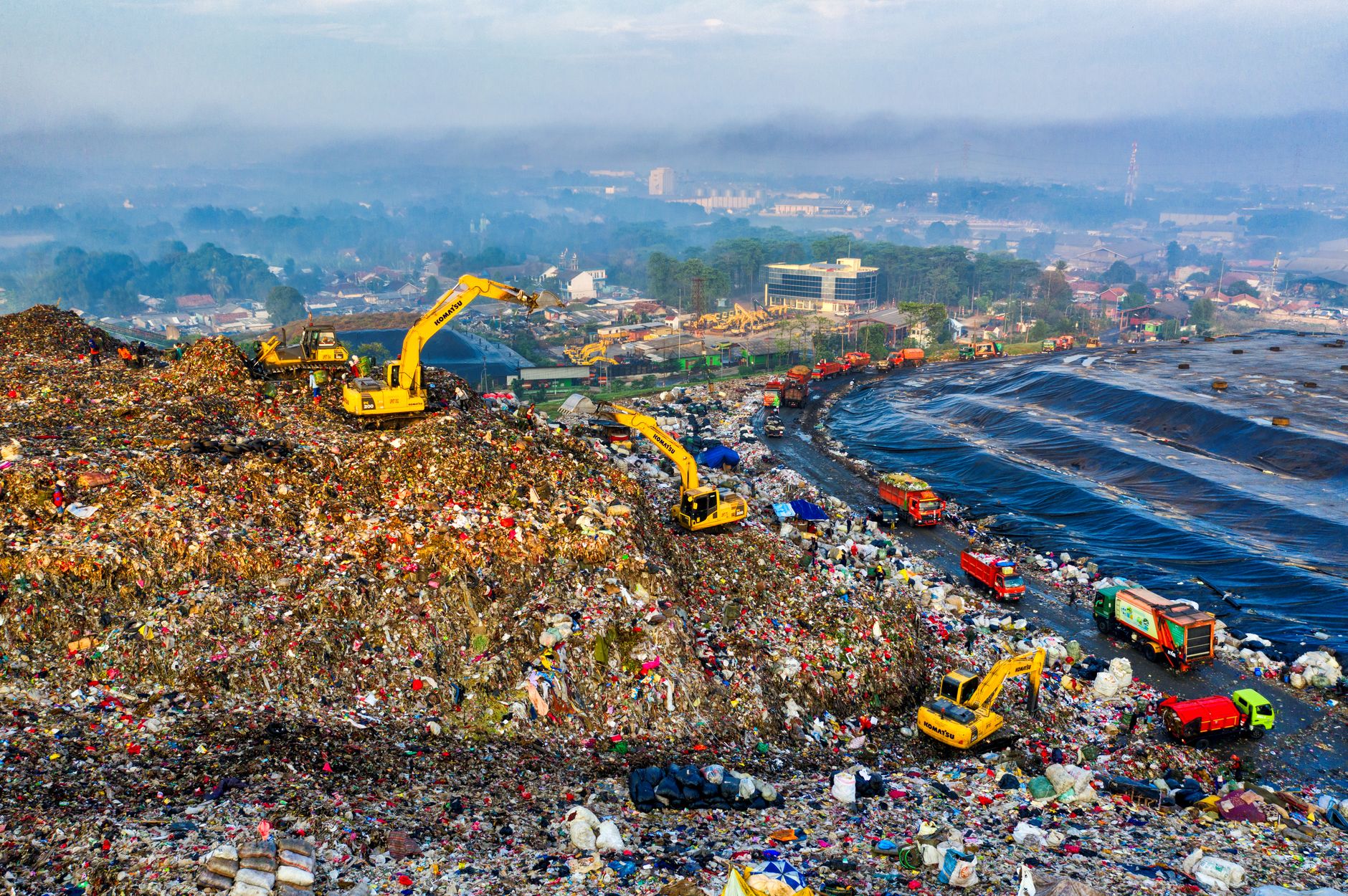
Waste pollution control projects are set to transform Gurgaon’s environmental landscape. The finance panel has approved Rs 61 crore for initiatives aimed at tackling waste and pollution effectively.
Overview of Waste Pollution Control
Waste pollution control projects are essential initiatives aimed at reducing the negative impacts of waste on the environment. These projects focus on managing and mitigating pollution caused by various types of waste, including construction and demolition debris, which has become a significant concern in urban areas.
Recently, the finance panel approved projects worth Rs 61 crore specifically targeted at waste and pollution control in Gurgaon. This decision underscores the increasing recognition of the need for effective waste management solutions. The projects include:
- Construction and Demolition (C&D) Waste Processing: Implementing technology to recycle and repurpose C&D waste, minimizing landfill usage.
- Awareness Campaigns: Educating the public on proper waste disposal methods and the importance of pollution control.
- Infrastructure Development: Building facilities for waste segregation and treatment to improve overall waste management efficiency.
As urban centers continue to expand, waste pollution control projects will play a crucial role in maintaining environmental sustainability and enhancing public health.
Details of the Rs 61 Crore Projects
The finance panel has recently approved a series of ambitious waste pollution control projects worth Rs 61 crore aimed at combating the environmental challenges in Gurgaon. These projects are designed to address the pressing issues of waste management and pollution control in the region.
Among the initiatives cleared, two major projects focus specifically on the processing of construction and demolition (C&D) waste. The key details of these projects include:
- Project One: Establishment of a state-of-the-art facility for sorting and recycling C&D waste. This facility is expected to significantly minimize landfill use and promote the reuse of materials.
- Project Two: Implementation of a comprehensive waste collection and management system that will integrate advanced technologies to enhance efficiency and reduce environmental impact.
These waste pollution control projects are not only crucial for maintaining the ecological balance but also for fostering sustainable development in Gurgaon. Stakeholders believe that the successful execution of these initiatives could serve as a model for similar projects across the country.
Impact on Gurgaon’s Environment
The implementation of waste pollution control projects in Gurgaon is poised to significantly impact the local environment. With the recent approval of Rs 61 crore for various initiatives, the focus on efficient waste management is becoming increasingly vital.
One of the primary goals of these projects is to reduce the amount of construction and demolition (C&D) waste that contributes to pollution. By processing this waste effectively, the city aims to minimize its environmental footprint and enhance the quality of life for its residents. The initiatives are designed to:
- Improve air quality: Reducing dust and pollutants from construction sites.
- Enhance water management: Preventing contamination of local water bodies.
- Promote recycling: Encouraging the reuse of materials from C&D waste.
As Gurgaon continues to grow, the success of these waste pollution control projects will be crucial in maintaining a sustainable environment. Residents and local authorities alike are hopeful that these efforts will lead to a cleaner, greener future for the city.
Challenges in Waste Management
While waste pollution control projects like the recent Rs 61 crore initiatives in Gurgaon aim to address critical environmental concerns, they face several challenges that could hinder their effectiveness. One significant hurdle is the lack of public awareness and participation in waste management practices. Many residents are unaware of proper disposal methods and the importance of reducing waste at the source.
Additionally, insufficient infrastructure poses a problem. Inadequate facilities for sorting and processing waste lead to contamination, making recycling efforts less effective. The logistics of collecting waste efficiently also require substantial investment and planning, which can be difficult to coordinate.
Moreover, regulatory hurdles can delay project implementation. Navigating the legal landscape and ensuring compliance with environmental standards often complicates the process, leading to increased costs and extended timelines.
Finally, the sustainability of waste pollution control projects is a concern. Without ongoing funding and community support, these initiatives may struggle to achieve long-term success and significantly reduce pollution levels in urban areas like Gurgaon.
Community Response to Initiatives
The community response to the recently approved waste pollution control projects has been mixed, reflecting a range of opinions on their potential effectiveness and impact. Many residents express optimism about the initiatives, hoping they will lead to cleaner surroundings and improved quality of life.
Local environmental groups have voiced their support, emphasizing the necessity of such projects in addressing pressing waste management issues. They believe that the Rs 61 crore investment could be a turning point for Gurgaon, particularly in reducing construction and demolition (C&D) waste.
However, skepticism remains among some residents who question the government’s commitment to follow through on these initiatives. Concerns have been raised about the implementation process and whether the funds will be used efficiently.
Moreover, a segment of the community is advocating for greater transparency and involvement in the planning stages of the projects. They argue that community input is crucial to ensure the success of waste pollution control projects and to build trust between the residents and local authorities.
Ultimately, the effectiveness of these initiatives will depend on ongoing community engagement and active participation.
Future of Pollution Control in India
As India grapples with increasing waste pollution, the future of pollution control projects appears to be a matter of urgent national concern. The recent approval of Rs 61 crore for waste pollution control projects in Gurgaon illustrates a growing recognition of the need for effective waste management strategies.
Experts suggest that these initiatives, particularly in urban areas, could pave the way for innovative solutions to tackle waste pollution. By investing in advanced technologies for waste segregation and recycling, cities could significantly reduce their environmental footprint. The integration of community involvement is also crucial, as local participation can enhance the efficacy of these projects.
However, the sustainability of such projects remains a critical question. Stakeholders must ensure that there is a long-term plan for maintenance and funding. Without continued support, even the most well-designed waste pollution control projects may falter.
In conclusion, while the investment in pollution control is commendable, its success will depend on collaborative efforts among government bodies, local communities, and private enterprises to create a cleaner, healthier environment for future generations.
Photo by Tom Fisk on Pexels