
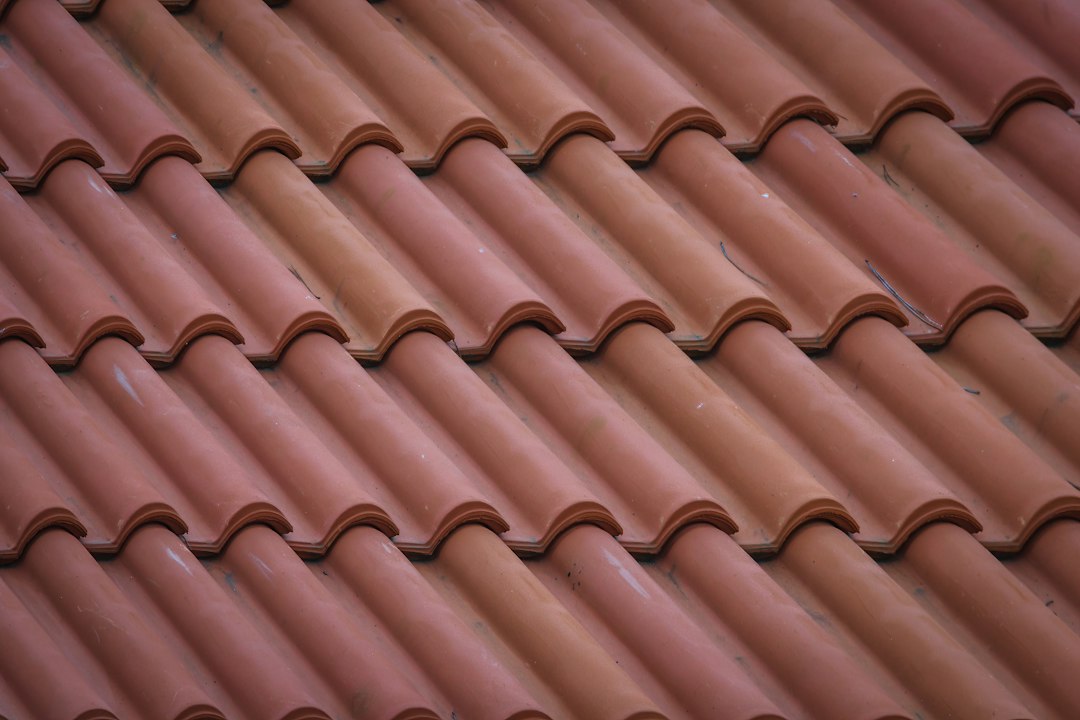
Traditional properties remain highly desirable across the UK. From Victorian cottages and Edwardian family homes to rural houses with distinctive architectural features, older buildings offer a character that can be difficult to replicate in modern developments.
However, owning an older property also comes with maintenance responsibilities that extend beyond decorating and modernising the interior.
The roof is one of the most important elements of a traditional building. Its condition influences everything from weather protection and energy efficiency to the preservation of original architectural features.
Understanding how traditional pitched roofs function and recognising when maintenance is required can help homeowners protect their property without unnecessarily replacing materials that remain in good condition.
Understanding How a Traditional Pitched Roof Works
Unlike flat roofs, which generally depend on a continuous waterproof membrane, traditional pitched roofs primarily rely on overlapping tiles or slates to direct rainwater away from the building.
The angle of the roof allows water to run down the surface towards gutters and drainage systems.
However, the visible roof covering represents only part of the complete structure.
A traditional pitched roof may also incorporate timber rafters, battens, roofing underlay, ventilation arrangements, ridge tiles and leadwork.
Each of these components performs an important function.
When one component deteriorates, it can affect the performance of the surrounding roofing system, even where the external roof covering appears to remain in satisfactory condition.
Understanding this relationship is particularly important when maintaining older properties.
The Importance of Preserving Traditional Roofing Materials
Clay tiles and natural slate have been used on British properties for generations.
Their appearance, texture and natural variations contribute significantly to the character of many traditional homes.
Where these materials remain serviceable, retaining them can help preserve the appearance of the property and reduce unnecessary expenditure.
However, the condition of the visible tiles or slates should not be considered in isolation.
Older roofing materials may remain relatively sound while the fixings, battens or other supporting components have deteriorated.
In some circumstances, suitable existing tiles or slates may be removed and reused during more extensive roofing work.
The practicality of this approach depends on their condition, availability of matching replacements and the requirements of the completed roof.
Roofing Challenges in Surrey’s Traditional Villages
Surrey contains numerous established villages where traditional cottages, period houses and larger character properties remain an important part of the local landscape.
Walton-on-the-Hill, Tadworth and neighbouring areas provide examples of communities where homes of different ages and architectural styles sit alongside one another.
Many older properties have undergone alterations and extensions over several decades, resulting in roofs that incorporate original materials alongside more recent additions.
These changes can introduce additional maintenance requirements, particularly where different roof coverings meet.
Homeowners looking to preserve the condition and appearance of their properties can benefit from professional roofing services in Walton-on-the-Hill when assessing traditional pitched roofs, damaged roofing materials and potential replacement requirements.
A considered approach can help establish which elements genuinely require attention while retaining serviceable materials wherever practical.
Why Older Roof Tiles Become Loose
Roof tiles can become displaced for several reasons.
Although strong winds are often blamed, underlying deterioration may have already weakened the roof before severe weather occurs.
Common contributing factors include:
- Ageing or corroded roof fixings
- Deteriorated timber battens
- Cracked or damaged tiles
- Movement within the roof structure
- Defective ridge or verge details
- Previous repairs using unsuitable materials
- Damage caused by falling branches
Replacing a missing tile may resolve an isolated problem, but repeated displacement within the same area could indicate a wider issue.
Where tiles continue to move or become damaged, investigating the supporting materials may be more effective than repeatedly replacing individual sections of the roof covering.
Looking After Roof Ridges and Verges
The ridge is the highest point of a pitched roof, where opposing roof slopes meet.
Traditional ridge tiles were commonly secured using mortar, although modern roofing systems may incorporate mechanical fixing arrangements.
Over time, existing mortar can crack or deteriorate through weather exposure and movement.
Loose ridge tiles should not be ignored. In addition to allowing water penetration, displaced roofing materials may present a safety hazard.
Roof verges, which form the edges of pitched roofs along gable walls, can experience similar deterioration.
Homeowners may notice fragments of mortar on the ground or visible gaps around roof edges.
These symptoms should be investigated rather than treated as purely cosmetic issues.
Repairing defective ridge or verge details can help protect the surrounding roof covering and reduce the likelihood of further weather-related damage.
Maintaining Chimneys and Traditional Leadwork
Chimney stacks are a distinctive feature of many older British properties.
Even where fireplaces are no longer used, chimneys frequently remain an important part of the building’s external appearance.
However, the point where a chimney passes through the roof creates a potential route for rainwater to enter the property.
Lead flashing is traditionally used to form weather-resistant connections between the chimney and adjoining roof coverings.
Over time, leadwork can become displaced, split or damaged. Deteriorated chimney mortar may also contribute to moisture penetration.
Warning signs can include damp patches around chimney breasts, water staining on nearby ceilings and visible deterioration around the base of the chimney.
It is important to establish whether moisture originates from defective flashing, chimney masonry, condensation or another source before deciding what repairs are required.
Addressing the wrong component can result in unnecessary expenditure without resolving the underlying problem.
How Surrounding Trees Can Affect Traditional Roofs
Many older properties are located within established gardens or close to mature trees.
Although these surroundings contribute to the appeal of traditional homes, they can also increase roofing maintenance requirements.
Overhanging branches may cause physical damage during severe weather, while fallen leaves and other debris can collect in gutters and roof valleys.
Moss growth can also develop on roof surfaces, particularly in shaded areas.
Not every instance of moss growth requires immediate removal. However, substantial accumulations may interfere with drainage or make it more difficult to identify damaged roofing materials.
Aggressive cleaning methods can damage older tiles and slates, making professional advice worthwhile before undertaking roof cleaning.
Maintaining surrounding vegetation and arranging appropriate drainage maintenance can help reduce avoidable roofing problems.
The Role of Ventilation in Older Roofs
Maintaining a dry roof structure involves more than preventing rainwater from entering the building.
Moisture generated inside a home can also contribute to condensation within loft spaces and roof structures.
Cooking, bathing, drying clothes and everyday household activities all produce moisture.
Where ventilation arrangements are inadequate, this moisture may accumulate within colder areas of the building.
Older properties that have undergone insulation improvements or alterations to their roof spaces may require particular consideration.
Adding insulation without accounting for ventilation and moisture control can sometimes introduce problems that were not previously apparent.
Potential warning signs include:
- Condensation on the underside of roofing materials
- Damp or discoloured roof timbers
- Persistent musty smells within loft spaces
- Moisture affecting insulation
- Mould growth
- Water droplets appearing during cold weather
These symptoms do not necessarily indicate an external roof leak.
Understanding the difference between condensation and rainwater penetration is important because the appropriate solutions can be considerably different.
When Should a Traditional Roof Be Replaced?
Preserving original roofing materials is often desirable, but there comes a point when replacement may become necessary.
The decision should be based on the condition of the complete roofing system rather than the age of the property alone.
Replacement may be worth considering where there is widespread deterioration of roofing materials, repeated water ingress, extensive failure of fixings or significant damage to supporting components.
In some cases, previous repairs may have addressed individual defects without resolving wider deterioration.
Homeowners should consider the likely long-term cost of continuing repairs alongside the cost and benefits of replacement.
Where replacement is necessary, selecting appropriate materials can help maintain the character of the property.
Listed buildings and properties within conservation areas may also be subject to additional requirements. Homeowners should establish whether relevant permissions are needed before undertaking alterations that could affect the building’s appearance or historic fabric.
Creating a Maintenance Plan for a Traditional Home
Looking after an older property becomes considerably more manageable when maintenance is planned rather than undertaken solely in response to unexpected problems.
A practical roof maintenance routine could include:
- Checking visible roof coverings from ground level following storms.
- Arranging seasonal gutter and downpipe maintenance.
- Monitoring ridge tiles and roof edges for deterioration.
- Looking for signs of moisture within safely accessible loft spaces.
- Investigating recurring damp patches.
- Keeping records of previous roofing repairs.
- Arranging professional inspections when defects become apparent.
- Reviewing the condition of chimney flashing and roof valleys.
Homeowners should avoid climbing onto roofs themselves. Traditional roofing materials can be fragile, and wet or weathered surfaces may present considerable safety risks.
Professional maintenance allows inaccessible areas to be assessed using suitable equipment and working methods.
Protecting the Character and Value of Older Properties
Traditional homes have often survived for generations because their construction and materials can provide effective performance when appropriately maintained.
However, preserving an older building requires more than retaining its external appearance.
The roof must continue to protect the structure, internal finishes and occupants from the effects of the British weather.
Timely repairs, suitable replacement materials and a considered maintenance strategy can help homeowners retain the character of their properties while addressing the practical requirements of modern living.
Rather than waiting for significant roofing problems to develop, regular attention to the condition of the building can help prevent unnecessary expense and preserve its architectural features for future generations.
A traditional roof is not simply a feature of an older home. It is an essential part of the building’s history, performance and long-term value.
Quick Summary
- Traditional properties in the UK are sought after for their character, which can be difficult to replicate in new builds.
- Maintaining a traditional pitched roof involves understanding its various components, including rafters, battens, and ventilation systems, beyond just the visible tiles.
- Clay tiles and natural slates are critical to the aesthetic of traditional homes and should be retained when serviceable to preserve property appearance and limit costs.
- Older roof tiles can become loose due to factors such as corroded fixings, deteriorating timber battens, or defective ridge details, necessitating a thorough investigation of supporting materials.
- Ridge tiles and verges, especially those secured with mortar, can deteriorate over time, leading to safety hazards and water penetration if not addressed promptly.
- Chimney stacks, which are important architectural features, require careful maintenance of lead flashing to prevent rainwater infiltration at the roof interface.