
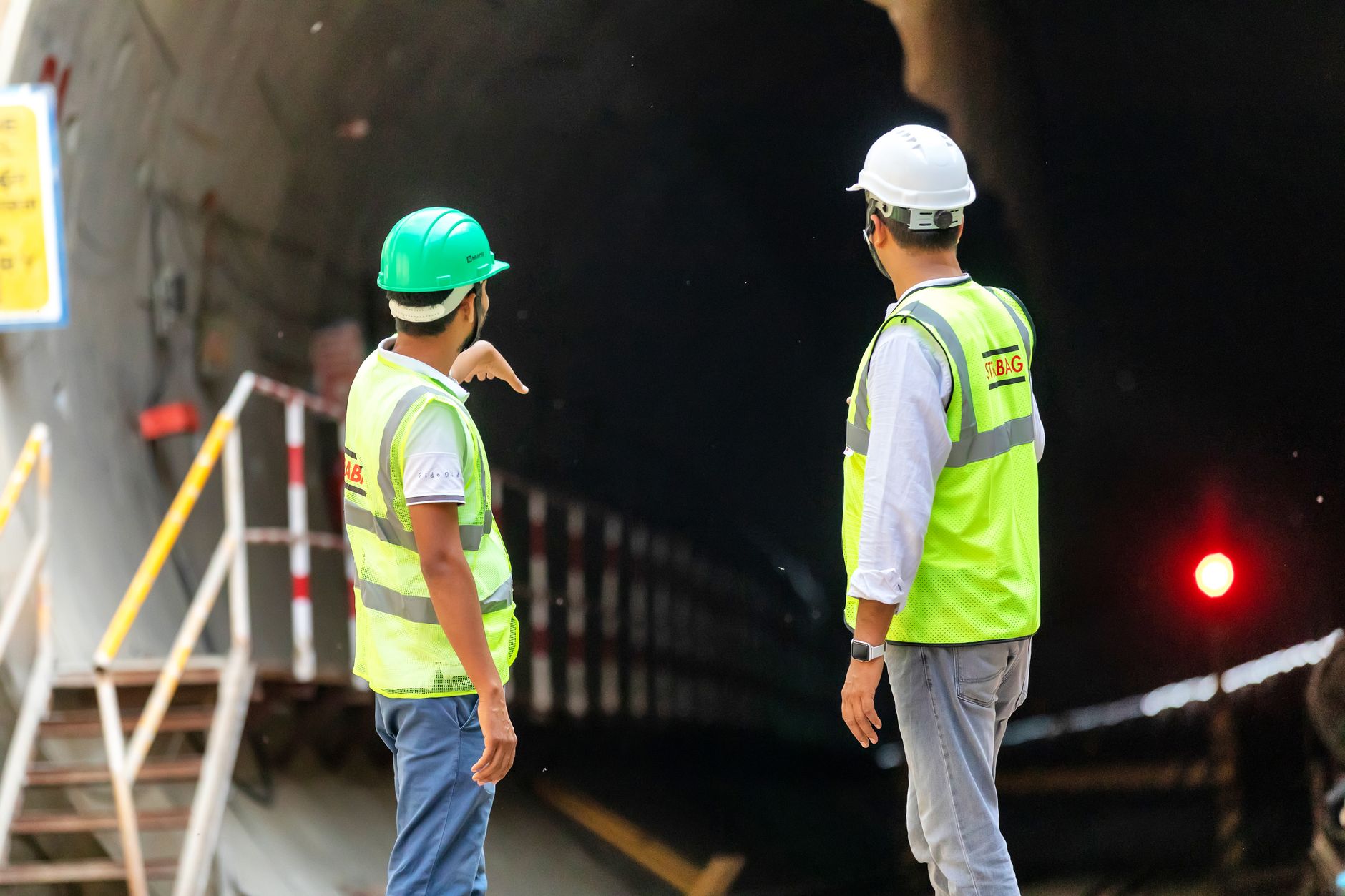
PM GatiShakti projects are making headlines as they track 396 initiatives worth ₹18.66 lakh crore, aimed at boosting infrastructure across the nation.
Overview of PM GatiShakti
The PM GatiShakti initiative has emerged as a significant driver of infrastructure development in India. Launched with the vision of ensuring holistic and integrated development, the program focuses on enhancing connectivity across various sectors. With a budget allocation of ₹18.66 lakh crore, it aims to streamline project execution and improve the overall efficiency of public investments.
As of now, the PM GatiShakti program has successfully tracked 396 projects that encompass a wide range of infrastructure activities. These projects are crucial for boosting economic growth and creating job opportunities across the nation. The initiative emphasizes the importance of collaboration among different ministries and departments, ensuring that projects are executed without delays and within budget.
Key features of the PM GatiShakti framework include:
- Enhanced Planning: Integration of data from multiple sources for better decision-making.
- Real-Time Monitoring: Use of technology to track project progress.
- Multi-Modal Connectivity: Focus on linking various transport modes for seamless movement.
Impact on Infrastructure Development
The PM GatiShakti projects have significantly impacted infrastructure development across India, enhancing connectivity and fostering economic growth. The initiative, aimed at creating a holistic framework for infrastructure planning, has set the groundwork for improved logistics and streamlined supply chains.
Some key areas where the PM GatiShakti projects have made a notable difference include:
- Transportation: The development of roads, railways, and ports has improved movement for both goods and passengers, reducing transit times.
- Energy: Investment in renewable energy infrastructure has been prioritized, promoting sustainable practices and reducing carbon footprints.
- Urban Development: Smart city initiatives under the PM GatiShakti projects have led to better urban planning and enhanced living standards.
Overall, the investments amounting to ₹18.66 lakh crore demonstrate a commitment to creating a resilient infrastructure that supports the nation’s growth trajectory. As these projects continue to roll out, their benefits will be felt across various sectors, contributing to a more robust economy.
Key Projects Under PM GatiShakti
The PM GatiShakti initiative has unveiled several key projects that are set to transform India’s infrastructure landscape. These projects, collectively valued at ₹18.66 lakh crore, highlight the government’s commitment to fostering economic growth and connectivity across the nation.
Among the notable projects under PM GatiShakti are:
- National Master Plan for Multi-Modal Connectivity: Aiming to integrate various modes of transport to enhance logistics efficiency.
- Dedicated Freight Corridors: These corridors are designed to facilitate faster freight movement and reduce congestion on existing rail networks.
- Expressway Development: The construction of new expressways is expected to significantly cut travel times and boost trade.
- Smart City Projects: Focused on developing urban spaces with advanced infrastructure and sustainability practices.
- Renewable Energy Initiatives: Investments in solar and wind energy projects to support the nation’s energy transition.
These initiatives showcase the potential of PM GatiShakti projects in driving India towards a more connected and sustainable future.
Government’s Vision for Growth
The government’s vision for growth is encapsulated in the ambitious PM GatiShakti projects, which aim to enhance multimodal connectivity and promote holistic development across various sectors. With a total investment of ₹18.66 lakh crore, these initiatives are designed to significantly boost the nation’s infrastructure capabilities, thereby fostering economic growth and job creation.
Central to this vision is the integration of technology and data analytics to streamline project execution. By leveraging advanced planning and monitoring tools, the government seeks to reduce delays and improve the efficiency of infrastructure development. This collaborative approach involves multiple ministries and state governments working in tandem to ensure that resources are utilized optimally.
The successful implementation of the PM GatiShakti projects is expected to not only improve connectivity but also enhance the quality of life for citizens. With a focus on sustainable development, the government is committed to creating an ecosystem that supports long-term growth while addressing environmental concerns.
Challenges in Implementation
The ambitious PM GatiShakti projects, while promising significant advancements in infrastructure, face several challenges in their implementation. These hurdles can potentially hinder the overall success of the initiative.
- Lack of Coordination: One of the primary challenges is the need for better coordination among various government departments and agencies. Inefficient communication can lead to delays and misalignment of project goals.
- Resource Allocation: Adequate allocation of financial and human resources is crucial. Insufficient funding or staffing can impede progress and ultimately affect project timelines.
- Technological Integration: The integration of modern technology and data management systems is essential for tracking the progress of PM GatiShakti projects. However, existing gaps in technology adoption can create roadblocks.
- Regulatory Hurdles: Navigating regulatory requirements can be cumbersome, often resulting in bureaucratic delays that stall project execution.
Addressing these challenges is vital for the realization of the PM GatiShakti projects’ full potential and their envisioned impact on national infrastructure development.
Funding and Investment Sources
The funding and investment sources for the PM GatiShakti projects play a crucial role in their success and implementation. The total investment of ₹18.66 lakh crore is derived from a mix of public and private sector contributions, alongside international funding.
Key sources of funding include:
- Government Allocations: Significant portions of the budget are allocated by the central and state governments to support infrastructure development initiatives.
- Public-Private Partnerships (PPPs): Collaborations between the government and private entities are encouraged to leverage expertise and resources for project execution.
- Foreign Direct Investment (FDI): The Indian government is actively promoting FDI in infrastructure projects, which has led to increased financial inflow.
- Multilateral Development Banks: Institutions such as the Asian Development Bank (ADB) and World Bank provide loans and technical assistance for various projects under PM GatiShakti.
These diverse funding sources not only enhance project viability but also ensure sustained growth in infrastructure development across the nation.
Future Prospects of PM GatiShakti
The future prospects of the PM GatiShakti projects appear promising, as the framework aims to revolutionize infrastructure development across India. With an investment of ₹18.66 lakh crore, the initiative is expected to enhance connectivity and boost economic growth in the coming years.
Key areas of focus include:
- Digital Integration: Enhanced data-sharing capabilities among various sectors to optimize project execution.
- Sustainability: Emphasis on eco-friendly practices to ensure that infrastructure development does not compromise environmental integrity.
- Public-Private Partnerships: Increased collaboration between government bodies and private entities to drive innovation and efficiency.
As the government continues to monitor the progress of the 396 projects, the emphasis on timely completion and quality assurance will be crucial. The successful implementation of these initiatives will likely set a benchmark for future projects, making PM GatiShakti a pivotal component of India’s growth strategy.
Conclusion on Infrastructure Initiatives
In conclusion, the PM GatiShakti projects represent a transformative approach to infrastructure development in India, signaling a commitment to efficiency and growth. With a total investment of ₹18.66 lakh crore across 396 projects, these initiatives not only enhance connectivity but also foster economic growth by creating jobs and stimulating local economies.
The successful implementation of these projects hinges on the government’s ability to navigate challenges such as resource allocation and inter-departmental coordination. Despite these hurdles, the focus on a unified approach ensures that various sectors collaborate effectively, maximizing the benefits of investments.
Furthermore, the chances of sustaining this momentum in the future depend significantly on continued public and private sector engagement. As the government aims to maintain a clear vision for growth, the progress under the PM GatiShakti initiative indicates a robust framework for future infrastructure endeavors.
Ultimately, the ongoing success of these projects will play a crucial role in shaping India’s infrastructure landscape, paving the way for a more connected and prosperous nation.
Photo by Anil Sharma on Pexels
Read the original
Related stories
Apple smart home push: Best proven sales opportunities · Sri Lanka residences: Best Proven Investment Opportunities · Next-Generation Patrol Vessels: GRSE Launches New Navy Ship