
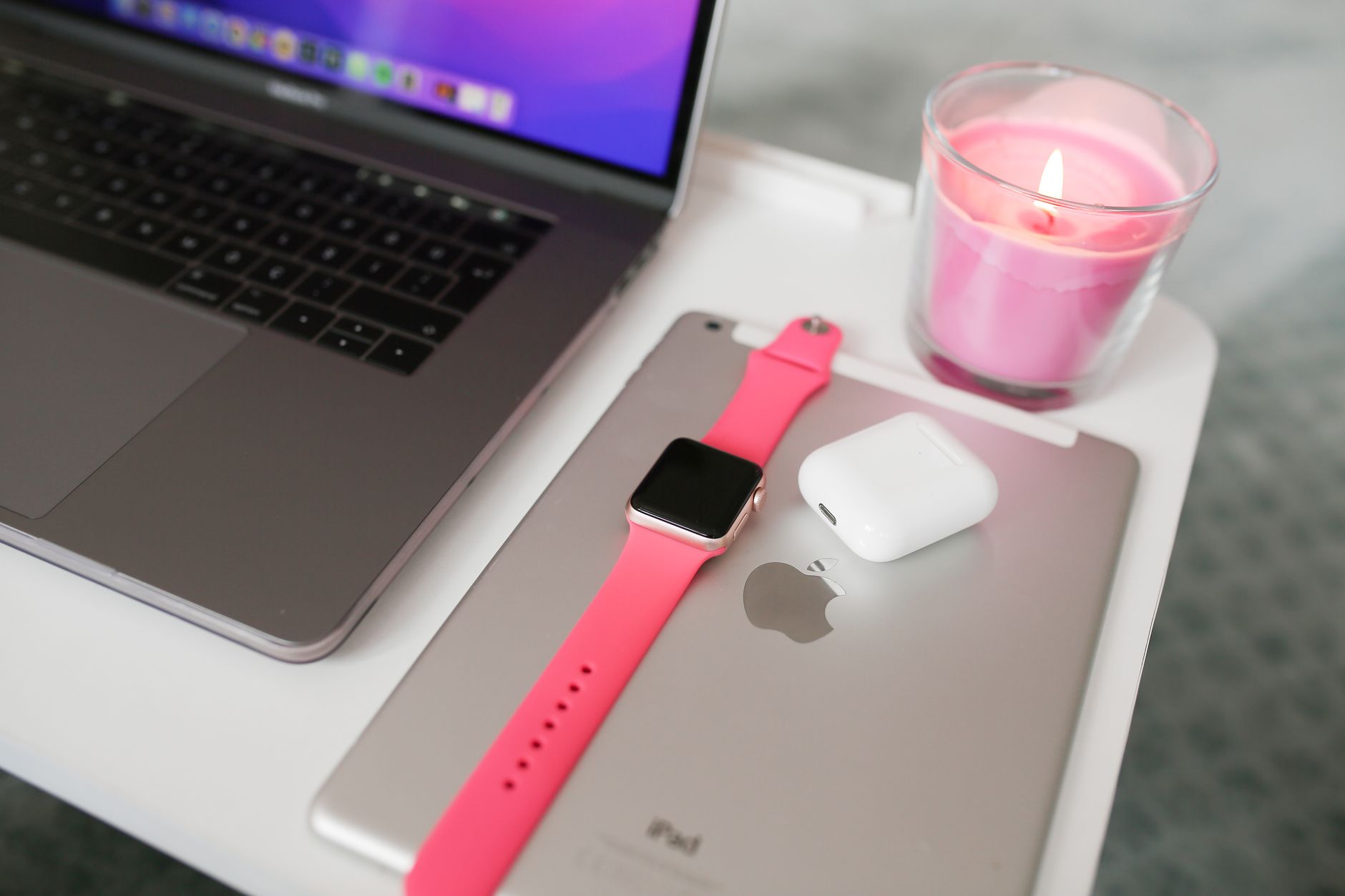
Apple smart home initiatives are reshaping the retail landscape, offering new sales opportunities for companies like JB Hi-Fi and The Good Guys.
Overview of Apple’s Smart Home Strategy
Apple has long been a leader in technology innovation, and its recent push into the smart home market signals a strategic expansion of its product ecosystem. The company aims to integrate its devices seamlessly into everyday living, enhancing convenience and control for users. By leveraging its existing hardware, such as the iPhone and iPad, Apple is poised to capture a significant share of the smart home sector.
Key elements of Apple’s smart home strategy include:
- HomeKit Integration: This platform allows users to control various smart devices through a single interface on their Apple devices.
- Partnerships: Collaborating with established retailers like JB Hi-Fi, The Good Guys, and Harvey Norman to create dedicated sales categories for smart home products.
- Focus on User Experience: Ensuring that smart home products are user-friendly and seamlessly integrate with other Apple offerings.
As consumers increasingly seek smart home solutions, Apple’s strategy aims to provide a compelling alternative that prioritizes privacy and security, making the Apple smart home a viable choice for many households.
Impact on Retailers
The recent expansion of Apple’s smart home ecosystem is poised to significantly impact retailers, offering them new sales opportunities. As Apple continues to integrate smart home technology into its product lineup, retailers like JB Hi-Fi, The Good Guys, and Harvey Norman stand to benefit immensely from this trend.
With the introduction of user-friendly devices that are compatible with Apple’s HomeKit, consumers are increasingly embracing the smart home experience. Retailers can leverage this momentum by enhancing their product offerings and marketing strategies. The demand for smart home devices is projected to grow, presenting a lucrative avenue for retailers.
To capitalize on this trend, retailers should consider the following strategies:
- Product Bundling: Offering packages that include various smart home devices can attract customers looking for comprehensive solutions.
- In-Store Demonstrations: Showcasing the capabilities of Apple smart home products can help customers understand their benefits.
- Training Staff: Ensuring that employees are knowledgeable about smart home technology will enhance customer service and sales.
By embracing these strategies, retailers can successfully navigate the evolving landscape of the smart home market.
Consumer Trends in Smart Home Devices
As consumers increasingly embrace technology that enhances their everyday lives, the demand for smart home devices continues to grow. This trend is particularly evident in the rising interest in Apple smart home solutions, which offer seamless integration with existing Apple products.
Key consumer trends driving this market include:
- Convenience: Many consumers seek devices that simplify daily tasks, such as smart speakers and automated lighting systems.
- Energy Efficiency: Homeowners are becoming more eco-conscious, opting for smart thermostats and appliances that reduce energy consumption.
- Enhanced Security: With the increasing concern for home safety, devices like smart locks and surveillance cameras are seeing higher adoption rates.
- Customization: Consumers appreciate the ability to personalize their smart home experience, often choosing products that can be easily tailored to their preferences.
This growing interest presents significant sales opportunities for retailers, as they adapt their offerings to meet the evolving needs of consumers looking to enhance their living spaces with Apple smart home technology.
Sales Growth Projections
The sales growth projections for Apple’s smart home products indicate a significant opportunity for retailers. With the increasing consumer interest in smart home technology, analysts are forecasting a steady rise in sales over the next few years.
Key factors contributing to this growth include:
- Increased Adoption of Smart Devices: As consumers become more familiar with connected technologies, the demand for smart home devices is expected to surge.
- Apple’s Ecosystem: The seamless integration of Apple smart home products with existing devices creates a compelling reason for users to invest in the ecosystem.
- Consumer Education: Retailers like JB Hi-Fi and Harvey Norman are enhancing their educational efforts to inform customers about the benefits of smart home technology.
- Product Innovation: Continuous advancements in Apple’s smart home offerings will likely attract new customers looking for reliable and user-friendly solutions.
As these trends develop, retailers will have the chance to capitalize on the growing market for Apple smart home products, positioning themselves as leaders in this emerging category.
Challenges for Retailers
As Apple intensifies its focus on the smart home market, retailers face several challenges in adapting to this rapidly evolving landscape. The introduction of Apple smart home products necessitates significant changes in inventory management, staff training, and customer engagement strategies.
Retailers must navigate the complexities of integrating these innovative devices into their existing product offerings. This includes:
- Educating Staff: Employees need to be well-versed in the functionality and benefits of Apple smart home devices to effectively assist customers.
- Adjusting Inventory: Retailers must predict which products will resonate with consumers, leading to potential overstock or stockouts.
- Navigating Competition: Competing with online retailers and other tech giants introduces pricing pressures and requires unique in-store experiences.
- Building Customer Trust: As consumers become more concerned about privacy and security, retailers must establish credibility around Apple smart home products.
Ultimately, the success of retailers in this new sales category will depend on their ability to effectively tackle these challenges.
Comparison of Retailers
As retailers brace for the upcoming surge in demand for Apple smart home products, a comparison of major players reveals distinctive strategies that could impact sales outcomes. Key retailers such as JB Hi-Fi, The Good Guys, and Harvey Norman have begun adapting their inventories to include a wider range of smart home devices, anticipating consumer interest in Apple’s integrated ecosystem.
Each retailer is leveraging its strengths to attract customers. For instance:
- JB Hi-Fi focuses on competitive pricing and extensive product demonstrations, appealing to tech-savvy shoppers.
- The Good Guys emphasizes customer service and product knowledge, aiming to educate consumers on the benefits of Apple smart home technology.
- Harvey Norman combines a mix of premium brands and promotional offers, targeting both high-end consumers and budget-conscious buyers.
As the market evolves, retailers that effectively align their strategies with consumer preferences for Apple smart home products are likely to see significant sales growth.
Future of Smart Home Technologies
The future of smart home technologies is poised for significant evolution, particularly with Apple’s growing influence in the market. As the demand for Apple smart home devices continues to rise, several trends are emerging that could reshape the landscape for retailers and consumers alike.
One key trend is the integration of artificial intelligence (AI) into smart home devices, allowing for enhanced automation and personalization. Consumers are increasingly looking for solutions that not only connect their devices but also learn and adapt to their habits.
Another important aspect is the emphasis on interoperability among devices from different brands. As more consumers adopt smart home ecosystems, the ability to seamlessly connect devices from various manufacturers will become essential.
Moreover, sustainability will play a crucial role in the future of smart home technologies. Eco-friendly devices that offer energy efficiency and contribute to a greener lifestyle are expected to gain popularity.
Overall, as Apple continues to innovate in this space, the potential for new sales opportunities for retailers remains substantial, encouraging them to adapt and expand their offerings.
Photo by Melike B on Pexels