
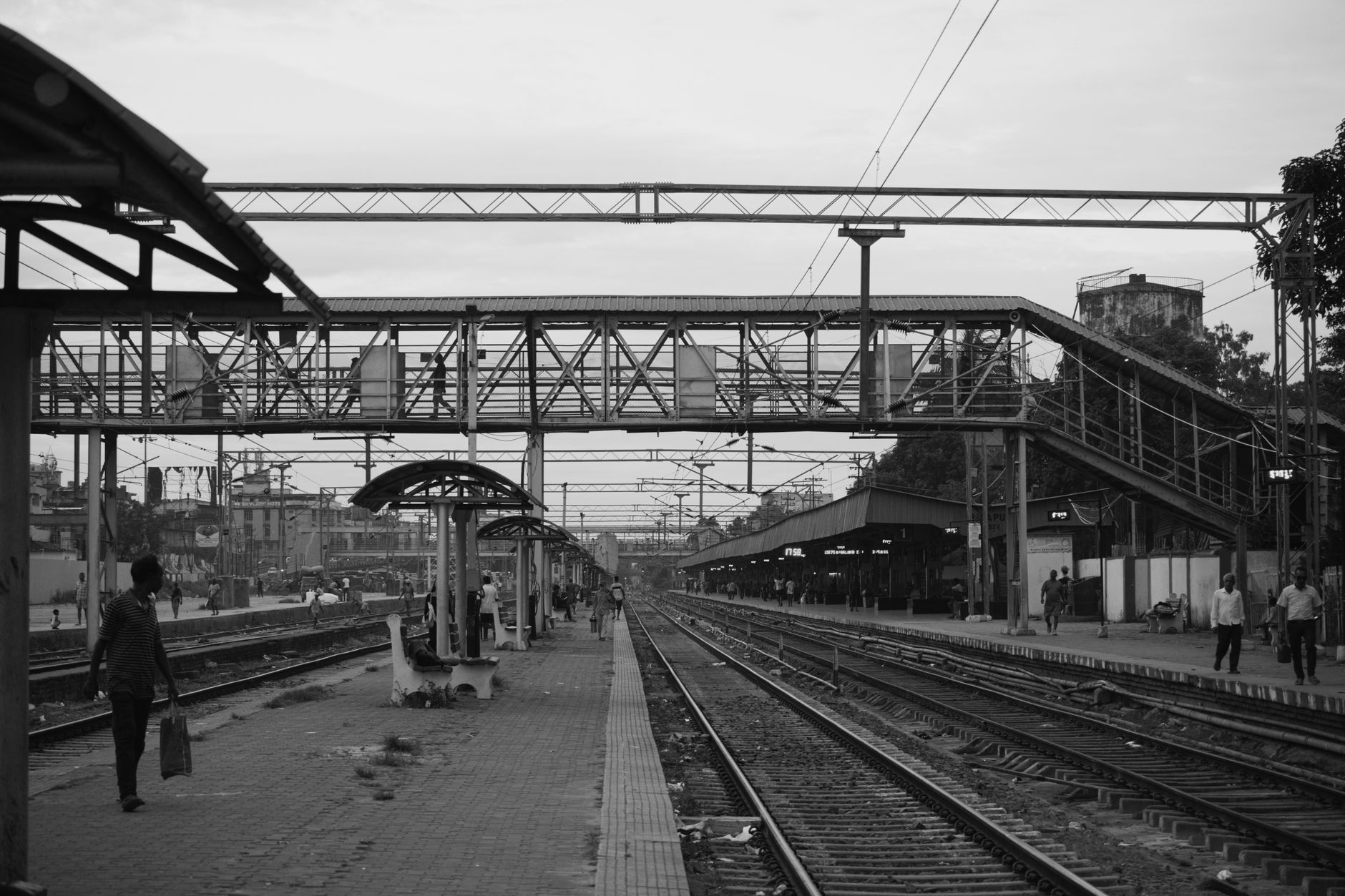
Northeast Frontier Railway projects are making headlines as the railway undertakes over 1,800 km of projects worth Rs 96,000 crore. This significant investment aims to improve infrastructure and connectivity in the region.
Overview of the Railway Projects
The Northeast Frontier Railway has embarked on a massive initiative, undertaking over 1,800 km of railway projects valued at an impressive Rs 96,000 crore. These projects aim to enhance connectivity and bolster the economic landscape of the northeastern region of India. With a focus on modernizing infrastructure, the Northeast Frontier Railway projects are expected to improve passenger travel and freight movement significantly.
Key aspects of these projects include:
- Expansion of Rail Network: The railway plans to extend existing lines and establish new routes to reach remote areas.
- Upgradation of Stations: Major railway stations will undergo significant renovations to provide better facilities for passengers.
- Safety Enhancements: Implementation of modern safety measures to ensure secure travel for passengers and cargo.
Experts believe that the completion of these projects will not only provide a boost to local economies but will also facilitate tourism in the region. As the Northeast Frontier Railway continues to invest in these transformative projects, the potential for economic growth and improved quality of life for residents remains a topic of great interest.
Investment Breakdown of Rs 96,000 Crore
The Northeast Frontier Railway (NFR) has embarked on a massive initiative, investing a staggering Rs 96,000 crore into various railway projects across the region. This financial commitment aims to enhance connectivity and infrastructure, ultimately benefiting both local populations and the economy.
Breaking down the investment, a significant portion is allocated towards:
- Track Expansion: Approximately 40% of the total budget will focus on expanding existing tracks and laying new ones to improve accessibility.
- Station Modernization: About 25% is earmarked for upgrading railway stations, ensuring they meet modern standards and enhance passenger experience.
- Safety Improvements: An investment of 15% will go towards implementing advanced safety measures, including the installation of modern signaling systems.
- Electrification: 10% will be dedicated to electrifying routes, reducing reliance on fossil fuels and promoting sustainable transport.
- Community Development: The remaining 10% will focus on initiatives that support the local communities affected by the projects.
These investments in Northeast Frontier Railway projects are expected to yield significant long-term benefits for the region.
Impact on Regional Development
The Northeast Frontier Railway projects are poised to significantly impact regional development by enhancing connectivity and fostering economic growth. With the ongoing efforts to expand railway infrastructure, several key areas are expected to benefit from improved access to markets, resources, and employment opportunities.
One of the primary advantages of these projects is the reduction in travel time for both passengers and freight. This efficiency can lead to increased trade and tourism, providing a much-needed boost to local economies. Moreover, the railway projects are anticipated to:
- Enhance accessibility to remote areas, enabling better access to education and healthcare services.
- Stimulate local businesses by creating opportunities for new ventures and investments.
- Encourage migration of skilled labor to the region, further contributing to economic diversification.
- Foster cultural exchange by making it easier for people to travel across the region.
Overall, the Northeast Frontier Railway projects represent a significant step towards sustainable regional development, potentially transforming the socio-economic landscape of the northeastern states.
Timeline for Project Completion
The timeline for the completion of the Northeast Frontier Railway projects has been a subject of considerable interest among stakeholders and residents alike. With over 1,800 km of railway projects underway, the Northeast Frontier Railway aims to enhance connectivity across the region.
According to project officials, the anticipated milestones for completion are as follows:
- Phase 1: Initial groundwork and assessments are projected to be completed by the end of 2024.
- Phase 2: Major construction activities are expected to ramp up in 2025, with significant track laying and station development.
- Phase 3: Finalization of projects, including testing and commissioning, is targeted for mid-2026.
It is crucial for the Northeast Frontier Railway to adhere to this timeline, as delays could impact the overall benefits anticipated from these extensive investments. The successful execution of these projects is expected to not only improve transportation but also stimulate economic growth in the region. Public interest remains high as residents await the tangible benefits of these ambitious undertakings.
Challenges Facing the Railway Sector
The Northeast Frontier Railway projects are ambitious undertakings aimed at transforming the rail connectivity in the region. However, these projects face several challenges that could hinder their success.
One significant obstacle is the difficult terrain of the Northeast, characterized by hilly landscapes and dense forests. This poses engineering challenges that can lead to delays and increased costs. Additionally, the region’s monsoon season often results in landslides and flooding, which can disrupt construction and maintenance activities.
Another challenge is the need for skilled labor. The railway sector in the Northeast has historically struggled with a shortage of trained personnel, which can impact the efficiency and safety of the projects. Furthermore, local communities may have concerns regarding land acquisition and environmental impact, leading to resistance against the projects.
Lastly, the financing and management of such large-scale projects require meticulous planning and coordination among various stakeholders. Without addressing these challenges, the potential benefits of the Northeast Frontier Railway projects may not be fully realized.
Community Response to New Projects
As the Northeast Frontier Railway embarks on significant new projects, community response has been mixed, reflecting both optimism and skepticism among residents in the region. Many locals express excitement about the potential benefits these initiatives could bring.
- Job Opportunities: Community members are hopeful that the construction and subsequent operation of new railway lines will create job opportunities, stimulating the local economy.
- Improved Connectivity: Residents anticipate that enhanced railway services will facilitate better access to markets, education, and healthcare facilities.
- Environmental Concerns: Conversely, some community groups have raised concerns about the environmental impact of these projects, fearing disruption to local ecosystems.
- Infrastructure Strain: There are apprehensions regarding whether existing infrastructure can handle the increased traffic and if local resources will be adequately managed.
Overall, the Northeast Frontier Railway projects have generated considerable interest, but community members are calling for transparent dialogue and involvement in planning processes to address their concerns effectively.
Future Plans for Northeast Railway
The Northeast Frontier Railway continues to outline its vision for the future with several ambitious plans aimed at enhancing connectivity across the region. With a commitment to modernizing rail infrastructure, the focus is on completing projects that can significantly improve travel times and accessibility for residents and businesses alike.
Key future plans include:
- Electrification Initiatives: Aiming for full electrification of the network to reduce dependency on fossil fuels.
- New Route Development: Introducing new lines that connect remote areas, thus fostering economic growth.
- Station Modernization: Upgrading existing stations to provide better facilities and service to passengers.
- Sustainability Projects: Implementing eco-friendly measures to align with national environmental goals.
These initiatives are part of the broader strategy encapsulated in the ongoing Northeast Frontier Railway projects, which promise to transform the landscape of transportation in the region. While challenges remain, the potential benefits for local communities and the economy are substantial, making these plans not only relevant but essential for future growth.
Comparative Analysis with Other Regions
When evaluating the Northeast Frontier Railway projects against similar initiatives in other regions, several factors come into play. Understanding the potential benefits and drawbacks requires a comparative lens.
- Investment Scale: While the Northeast Frontier Railway projects represent a significant investment of Rs 96,000 crore, other regions have undertaken larger projects, often with enhanced funding from the central government.
- Completion Timelines: Many railway projects in other states have experienced quicker completion rates, leading to immediate economic benefits, which raises questions about the timeline for projects in the Northeast.
- Technological Advancements: Some regions are integrating advanced railway technologies more rapidly, which could enhance operational efficiency and safety, an area where the Northeast may lag.
- Community Engagement: Successful projects elsewhere often involve greater community engagement, ensuring local needs are met. The response in the Northeast has been mixed, suggesting a need for improved dialogue.
Ultimately, a thorough analysis reveals that while the Northeast Frontier Railway projects hold promise, they must learn from the successes and challenges faced by rail initiatives in other regions to maximize their impact.
Photo by Votso Sothu on Pexels
References
Related reading
Canada EU associate member: A Smart Move for Both Sides · AI Living Club: Best Smart Home Solution for Spain · Is BHEL Power JV investment the best move for growth?