
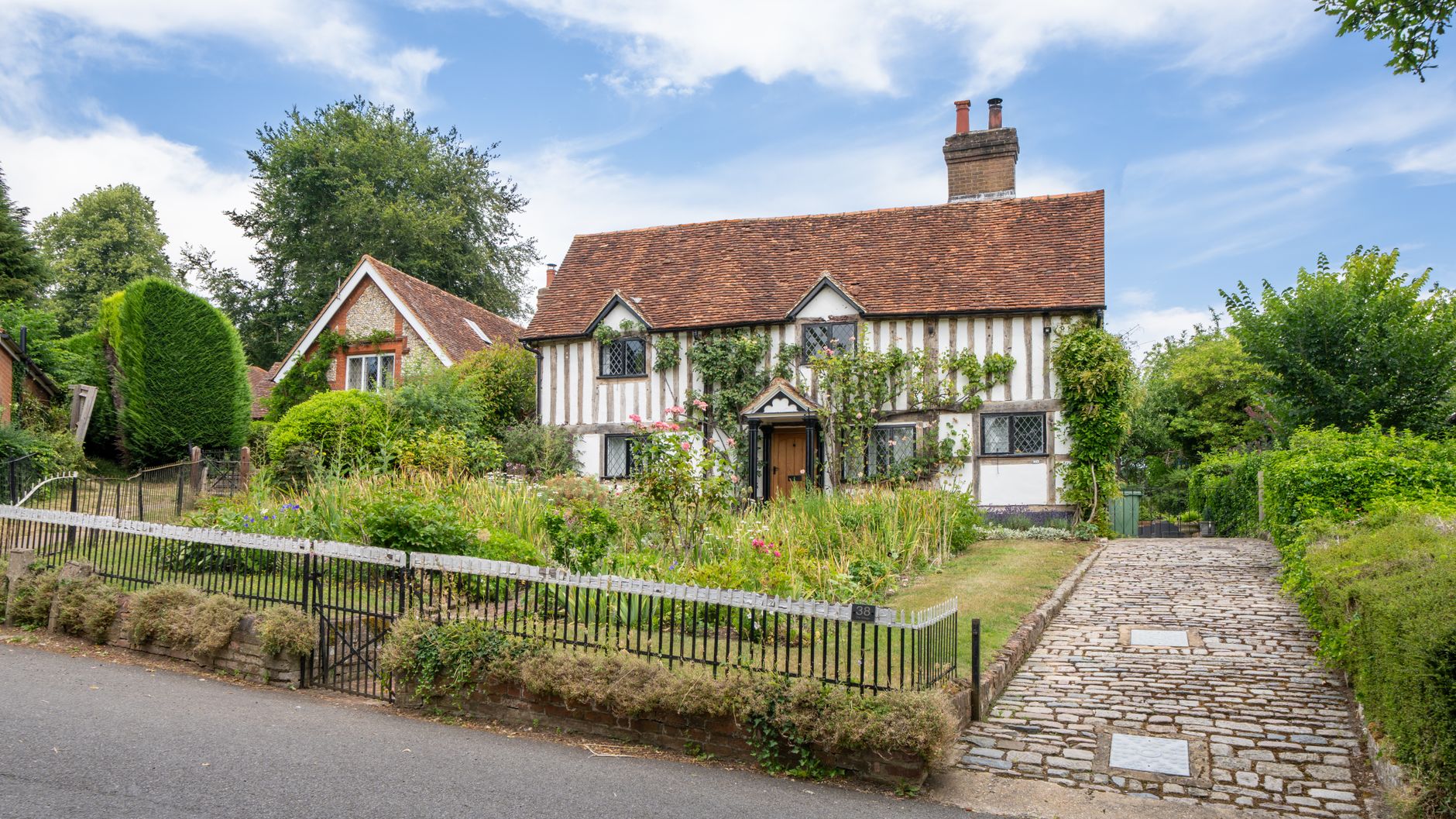
House prices Buckinghamshire have fluctuated recently, with some areas seeing significant increases while others faced declines. This article explores the regions with the most notable changes in property values.
Overview of Buckinghamshire House Prices
House prices in Buckinghamshire have shown a mixed trend over the past year, reflecting varying dynamics across different areas. While some regions have experienced significant boosts, others have faced declines, creating a diverse real estate landscape.
According to recent data, the overall average house price in Buckinghamshire has increased by approximately 4% compared to last year. This growth is largely driven by demand in popular towns such as Beaconsfield and Amersham, where desirable amenities and excellent transport links have attracted buyers.
Conversely, certain areas have witnessed a decrease in house prices, with towns like High Wycombe and Milton Keynes seeing a slight drop. Factors contributing to these declines include an oversupply of housing and changing buyer preferences, as some are opting for locations with more affordable options.
Investors and homeowners are closely monitoring these trends, as house prices in Buckinghamshire can significantly impact local economies. The contrasting performance of various regions highlights the importance of understanding specific market conditions. Buyers should consider local factors that influence property values, such as school ratings, community services, and transport accessibility.
In conclusion, navigating the Buckinghamshire housing market requires awareness of both the rising and falling areas, ensuring informed decisions for potential homeowners and investors alike.
Areas with Rising House Prices
In recent months, several areas in Buckinghamshire have witnessed notable increases in house prices, reflecting a growing demand for properties in the region. Factors such as improved transport links, local amenities, and a desirable lifestyle have contributed to this upward trend.
Among the areas with rising house prices, the following have stood out:
- Amersham: This picturesque market town has seen a surge in property values, with a 15% increase over the past year. Its charming high street and proximity to London make it particularly attractive to families and commuters.
- Beaconsfield: Known for its affluent community, Beaconsfield has recorded a 12% rise in house prices. The town’s excellent schools and vibrant cultural scene continue to draw buyers seeking quality living.
- High Wycombe: With its expanding infrastructure and diverse housing options, High Wycombe has experienced an 11% increase in property values. The town offers a balance of urban conveniences and green spaces, appealing to a wide range of buyers.
- Chesham: Chesham’s charming character and affordability have led to a 10% rise in house prices. The town’s community spirit and local parks make it a desirable choice for first-time buyers.
As house prices in Buckinghamshire continue to climb, these areas are becoming increasingly competitive, highlighting the shifting dynamics of the local property market.
Areas with Falling House Prices
As the housing market in Buckinghamshire continues to evolve, certain areas are experiencing a decline in house prices. This trend has raised concerns among potential buyers and current homeowners alike. Understanding these fluctuations is crucial for making informed decisions in the real estate market.
One notable area facing a downturn is Aylesbury, where house prices have seen a significant drop over the past year. Factors contributing to this decline include a surplus of new builds and a shift in buyer demand towards more established neighborhoods. Additionally, the economic climate and rising interest rates have impacted affordability, making it challenging for first-time buyers to enter the market.
Another area of concern is High Wycombe, which has also reported falling house prices. The local economy, heavily reliant on retail and services, has faced setbacks, leading to reduced consumer confidence. This has resulted in fewer buyers willing to invest in the area, further driving prices down.
Meanwhile, Chesham has seen a slight decrease in property values as well, attributed to increased competition from nearby towns that offer more amenities and better transport links. In summary, while some parts of Buckinghamshire showcase rising house prices, these areas with falling house prices highlight the need for potential investors to conduct thorough research before making a purchase.
Factors Influencing Price Changes
Several factors play a crucial role in influencing the fluctuations of house prices in Buckinghamshire. Understanding these elements can help potential buyers and investors navigate the property market more effectively.
- Economic Conditions: The overall economic climate significantly impacts housing demand. A robust economy typically sees an increase in house prices, while economic downturns can lead to a decline.
- Interest Rates: Changes in interest rates can affect mortgage affordability. Lower rates often stimulate demand, pushing house prices up, while higher rates may cool off the market.
- Local Amenities: Areas with better schools, parks, and shopping facilities tend to attract more buyers. This demand can drive house prices higher in those neighborhoods.
- Transport Links: Buckinghamshire’s proximity to London, along with improvements in transportation infrastructure, has made certain areas more desirable, contributing to rising house prices.
- Government Policies: Initiatives such as Help to Buy and changes in stamp duty can also influence the housing market. These policies can either encourage or deter potential buyers from entering the market.
- Supply and Demand: A limited housing supply in a high-demand area will inevitably lead to increased prices. Conversely, oversupply can drive prices down.
Overall, these factors collectively shape the trends in house prices in Buckinghamshire, making it essential for stakeholders to stay informed.
Expert Opinions on Market Trends
Experts in the real estate market have shared their insights on the recent trends in house prices in Buckinghamshire, indicating a complex landscape shaped by various factors. Many analysts agree that while some areas are experiencing significant price increases, others are witnessing a decline, prompting varied reactions from potential buyers and investors.
According to Sarah Thompson, a local property analyst, “The fluctuations in house prices reflect not just economic conditions but also changing buyer preferences.” She notes that areas closer to major transport links are seeing more demand, leading to rising prices. Conversely, regions that lack accessibility are struggling to maintain their value.
John Ellis, a real estate agent in Buckinghamshire, emphasizes the role of the pandemic in shaping market trends. “The desire for more space has driven buyers away from urban centers, influencing house prices in suburban areas,” he explains. This shift has resulted in a notable increase in house prices in certain villages, while town centers have seen a slight dip.
Furthermore, both experts highlight the importance of local amenities and schools in maintaining property values. The demand for family homes in well-serviced communities remains robust, suggesting that while some areas may falter, the overall outlook for house prices in Buckinghamshire could stabilize as preferences evolve.
Future Predictions for Buckinghamshire Housing
As we look towards the future of the housing market in Buckinghamshire, several predictions are emerging regarding house prices. Experts believe that while some areas may continue to experience growth, others could face stagnation or declines.
One key factor influencing future trends is the ongoing economic climate. With inflation rates fluctuating and interest rates remaining high, potential buyers may be deterred from entering the market. This could lead to a cooling effect on house prices in Buckinghamshire, particularly in regions that have seen rapid increases in recent years.
However, there are also signs of resilience. Local developments and improved infrastructure are likely to sustain interest in certain areas, driving demand and potentially stabilizing house prices. For instance, regions with new schools, parks, and transport links may continue to attract buyers, thus supporting price levels.
Moreover, government initiatives aimed at supporting first-time buyers could further influence the market. Programs designed to make housing more affordable may lead to increased activity in the lower price brackets, which could, in turn, impact overall house prices in Buckinghamshire.
In summary, while the future of house prices in Buckinghamshire is uncertain, ongoing economic conditions and local developments will play a crucial role in shaping the landscape.
In recent months, house prices Buckinghamshire have shown a notable increase in certain areas, driven by demand from families seeking more space. However, some regions are experiencing stagnation, highlighting the mixed trends in house prices Buckinghamshire.
Photo by Phil Ledwith on Pexels