
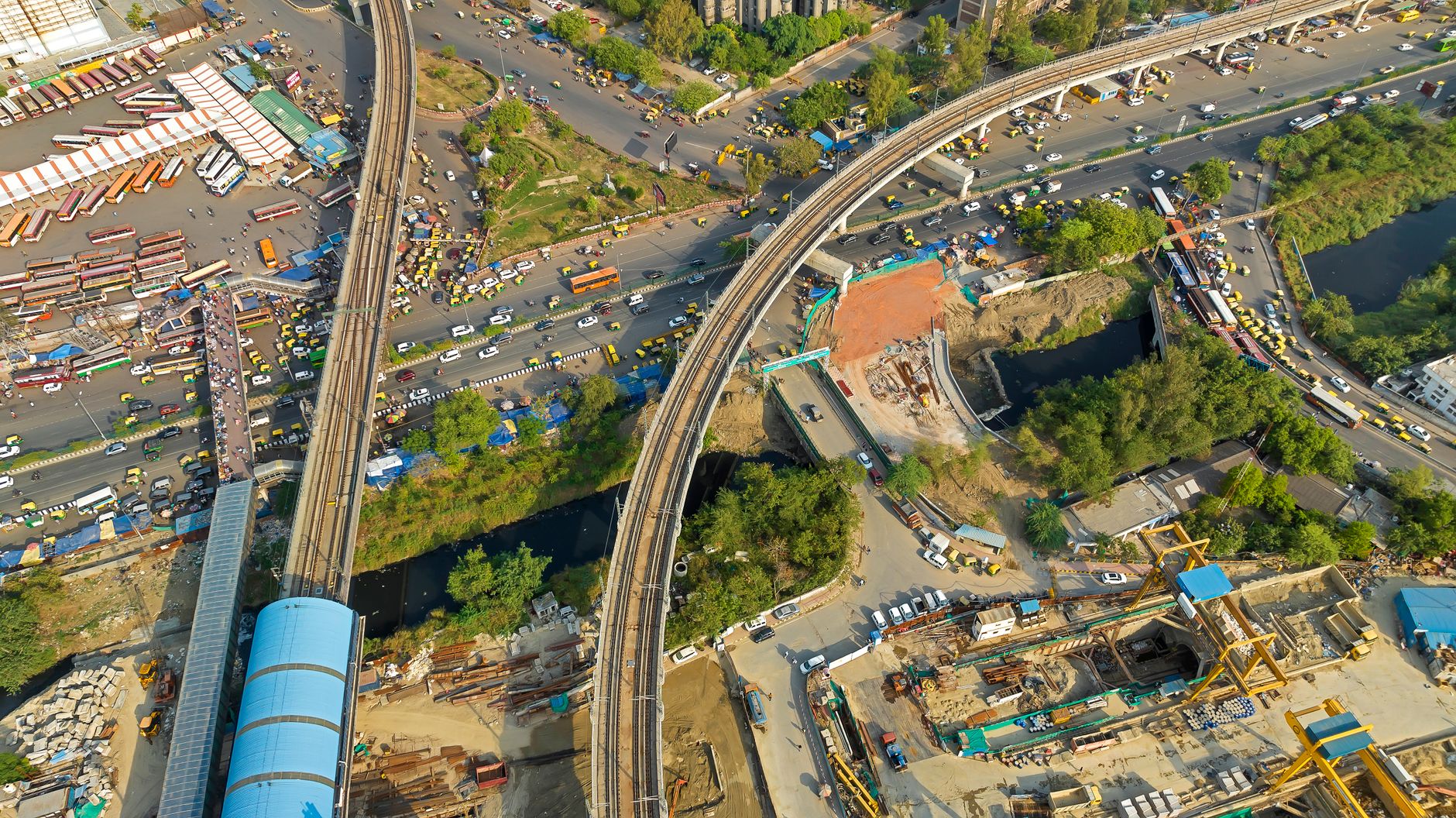
infrastructure projects India are currently valued at Rs 213 lakh crore, yet big global funds are still waiting. This raises questions about investment confidence and market dynamics.
Overview of India’s Infrastructure Projects
India is currently home to a staggering array of infrastructure projects, with an estimated investment of Rs 213 lakh crore. These initiatives span various sectors, including transportation, energy, and urban development, aiming to boost economic growth and improve living standards across the nation.
Despite the promising figures, several factors contribute to delays in these infrastructure projects in India. Key issues include:
- Bureaucratic Hurdles: Lengthy approval processes and red tape often slow down project implementation.
- Funding Challenges: While there is significant interest from global funds, the complexities of investment agreements can create barriers.
- Land Acquisition Issues: Securing land for projects often leads to disputes and delays due to regulatory requirements and local opposition.
- Environmental Regulations: Stringent environmental assessments can prolong project timelines.
These factors underscore the challenges facing India’s ambitious infrastructure projects and highlight the need for streamlined processes to facilitate progress.
Current Investment Landscape
The current investment landscape for infrastructure projects in India reveals a complex interplay of opportunity and caution. Despite the significant potential indicated by the Rs 213 lakh crore worth of infrastructure projects, global funds remain hesitant, leading to a delay in capital inflow.
Several factors contribute to this reluctance:
- Regulatory Challenges: Investors often face hurdles due to complex regulations and lengthy approval processes, which can stall projects significantly.
- Political Stability: Changing political climates can create uncertainty, making large investments seem risky.
- Economic Factors: Fluctuations in economic conditions, including inflation and currency stability, can deter foreign investment.
- Local Partnerships: Successful infrastructure projects often require strong local partnerships, which can be challenging to establish.
Addressing these issues is crucial for unlocking the full potential of infrastructure projects in India and attracting the necessary global funds.
Challenges Facing Global Funds
Investments in infrastructure projects in India are hindered by several challenges that deter global funds from fully committing. One significant issue is the regulatory environment, which often presents complex approval processes that can delay project timelines. Many investors report frustration with bureaucratic hurdles that slow down progress and increase costs.
Additionally, the risk factors associated with infrastructure projects in India can be daunting. Issues such as land acquisition disputes, environmental clearances, and changing government policies create uncertainty for potential investors. As a result, global funds remain cautious, seeking more stable environments for their investments.
Another challenge is the financing structure. Many infrastructure projects require substantial upfront capital and have long gestation periods, making them less attractive to funds looking for quicker returns. This situation creates a disconnect between the funding needs of infrastructure projects in India and the expectations of global investors.
- Regulatory hurdles
- Risk factors
- Financing structure
Government Initiatives to Attract Investment
The Indian government has implemented several initiatives aimed at attracting investment in infrastructure projects India. These measures are designed to enhance the investment climate and encourage both domestic and foreign funding.
- National Infrastructure Pipeline (NIP): Launched in 2019, the NIP aims to provide a transparent framework for infrastructure development, outlining projects worth Rs 111 lakh crore.
- Public-Private Partnerships (PPP): The government has been promoting PPP models to leverage private sector efficiency and investment for various infrastructure projects, including highways and urban development.
- Single Window Clearance System: This initiative simplifies the approval process, reducing bureaucratic delays and making it easier for investors to engage with infrastructure projects.
- Incentives and Tax Benefits: Various fiscal incentives have been introduced to make investments more attractive, including tax holidays and reduced duties on imported equipment.
These government initiatives are crucial for addressing the funding gap and expediting the execution of infrastructure projects in India.
Comparison with Other Emerging Markets
When comparing infrastructure projects in India with those in other emerging markets, significant disparities become evident. Countries like Brazil, Indonesia, and Mexico have made strides in rapidly executing infrastructure initiatives, often benefiting from streamlined regulatory frameworks and less bureaucratic red tape.
In contrast, infrastructure projects in India frequently face delays due to a complex web of approvals and land acquisition issues. A recent analysis highlighted that while India boasts an impressive portfolio of Rs 213 lakh crore in infrastructure projects, the pace of execution remains sluggish compared to its peers.
Key factors impacting the speed and efficiency of these projects in India include:
- Lengthy environmental clearance processes
- Inconsistent policy implementation
- Challenges in public-private partnerships
These challenges hinder foreign investment, prompting global funds to adopt a cautious approach when considering opportunities within India’s infrastructure landscape.
Future Prospects for Infrastructure in India
The future of infrastructure projects in India holds significant promise, as the country seeks to enhance its overall development and attract global investment. With a pipeline of infrastructure projects worth Rs 213 lakh crore, the Indian government aims to transform the nation into a modern economic powerhouse.
However, realizing this potential requires addressing several key factors:
- Policy Stability: Ensuring consistent and transparent policies can build confidence among investors.
- Public-Private Partnerships: Strengthening collaboration between the government and private sectors can accelerate project completion.
- Technology Integration: Embracing advanced technologies can enhance efficiency and reduce costs in infrastructure development.
- Sustainability Initiatives: Focusing on eco-friendly projects can attract environmentally conscious investors.
As these elements are prioritized, the prospects for infrastructure projects in India could improve significantly, potentially leading to a more robust economic landscape and attracting the much-needed global funds.
Expert Opinions on Investment Hesitation
Experts believe that the hesitation of global funds to invest in infrastructure projects in India stems from several critical factors. Notably, the bureaucratic red tape and complex regulatory frameworks pose significant challenges for potential investors.
Additionally, the lack of transparency and concerns regarding land acquisition processes have created an atmosphere of uncertainty. Economic analysts point out that these factors can lead to delays in project timelines, which further deters investment.
Some key opinions from industry experts include:
- “Investors are looking for a stable and predictable environment before committing large sums.”
- “India’s infrastructure sector requires a concerted effort to streamline processes and enhance accountability.”
- “Clear communication from the government regarding reforms can rebuild investor confidence.”
Overall, while the potential for growth in India’s infrastructure projects is immense, overcoming these hurdles is crucial for attracting global funds.
Conclusion: Path Forward for Infrastructure Investment
In conclusion, the future of infrastructure projects in India hinges on addressing the persistent challenges that deter investment. The substantial financial commitment of Rs 213 lakh crore highlights the potential for transformative growth; however, delays in project execution continue to undermine investor confidence.
To pave the way for successful infrastructure investment, several strategies can be employed:
- Enhanced Transparency: Streamlining the approval processes and making project information accessible can build trust among investors.
- Public-Private Partnerships (PPPs): Encouraging collaborations between the government and private sectors can mobilize resources effectively.
- Risk Mitigation: Developing frameworks that address potential risks and providing guarantees may alleviate concerns for global funds.
- Skill Development: Investing in local talent can improve project execution and operational efficiency.
By implementing these measures, India can unlock its vast infrastructure potential and become a magnet for global investment, thus securing a robust economic future.
One of the key factors contributing to the delays in infrastructure projects India is the bureaucratic red tape that often hinders timely approvals. Additionally, inadequate funding and resource allocation further exacerbate the challenges faced by infrastructure projects India.
Photo by Anil Sharma on Pexels